TL;DR

Turn quiet afternoons into listening time
- Thousands of audiobooks, podcasts and originals
- Listen on your phone, tablet or Echo — also offline
- Cancel anytime
Effortless weed control hinges on prevention, smart tools, and natural methods. Regular maintenance and early action save you time and reduce physical strain, making yard care enjoyable again.
Imagine a yard where weeds are kept at bay with just a few easy steps—no back-breaking work, no endless hours. Many older adults dream of a lush garden that stays tidy without exhausting effort. The good news? You can have a weed-free yard by working smarter, not harder.
This guide reveals simple, effective techniques that fit into your daily routine, so you can enjoy country charm without the fatigue. From natural methods to clever tools, you’ll learn how to keep weeds out of your garden with ease and dignity.
Prevention through healthy soil and regular mowing drastically reduces weed problems.
Ergonomic, lightweight tools make weed pulling easier and less tiring.
Natural methods like vinegar and mulch are effective, safe, and require minimal effort.
Timing your weed control efforts early prevents bigger, more labor-intensive battles.
Combining cultural, manual, and chemical methods leads to the best results with the least effort.
Easy Weed Control That Doesn’t Wear You Out
A weed-free yard without back-breaking work or endless hours. Work smarter, not harder—with prevention, ergonomic tools, and natural methods that fit into your daily routine.
Applying mulch and maintaining a healthy lawn can reduce weeds by up to 90%—saving hours of manual removal and skipping chemical treatments entirely.
Five Takeaways for Effortless Weed Control
Simple, effective techniques that fit into your routine—so you can enjoy country charm without the fatigue.
Prevention First
Healthy soil and regular mowing drastically reduce weed problems before they start.
Ergonomic Tools
Lightweight, stand-up weed pullers make removal easier and far less tiring.
Natural Methods
Vinegar and mulch are effective, safe, and require minimal physical effort.
Timing Is Key
Acting early prevents bigger, more labor-intensive battles down the line.
Combine Methods
Cultural, manual, and targeted chemical methods yield the best results with the least effort.
Stay Consistent
Regular small efforts prevent weeds from establishing deep, stubborn root systems.
Your Best Weapon Against Weeds
Strong, healthy lawns naturally resist invasion. A lawn mowed to 2.5 inches thickens the grass and shades out weed seeds—cutting weed growth by over 70%. How much can each habit reduce weeds?
Tools That Make Weeding a Breeze
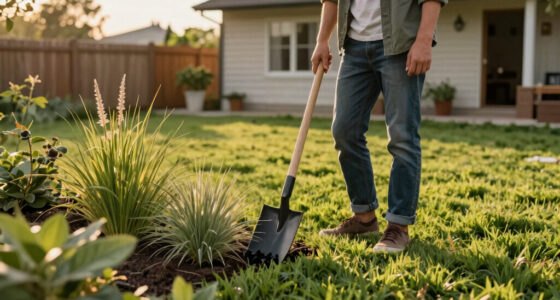
Manual tools designed for comfort and efficiency let you work with your body, not against it. A long-handled weed puller removes weeds without bending or kneeling—like a little helper that reduces strain.
Ergonomic Weed Pullers
Stand-up removal with no bending, kneeling, or wrist strain.
Lightweight Hoes
Curved blades slice weeds just below the soil with minimal effort.
Mini Cultivators
Perfect for tight spots, gaps between plants, and small beds.
Long-Handled Rakes
Spread mulch and clear debris without stooping or fatigue.
When to Attack Weeds for Less Effort
Catch weeds while they’re small—like tiny troublemakers that are easier to squash. Pulling a weed just after it sprouts takes seconds; waiting until it flowers means battling a stubborn root system.
Late Spring Watch
Inspect weekly before weeds set seed or grow deep roots.
Spot the Sprouts
Identify seedlings early—removal takes mere seconds each.
Quick Action
Pull by hand or spot-treat with vinegar while plants are young.
Prevent Spread
Stop seed banks from forming—no big battles later on.
Manual vs. Natural vs. Chemical
Choosing the right method depends on your yard size, weed type, and personal preference. Combining approaches often yields the best results with the least effort.
| Method | Ease of Use | Effectiveness | Effort Required | Best For |
|---|---|---|---|---|
| Manual Pulling | High | High (small weeds) | Low–Moderate | Small patches, early weeds |
| Natural (Vinegar, Boiling Water) | Very High | Moderate | Very Low | Cracks, small beds |
| Chemical Herbicides | Moderate | High | Moderate | Persistent weeds, large areas |
Organic, Chemical, or Skip It?
Match your approach to the weed’s persistence and your comfort level. Weighing the tradeoffs leads to a manageable, effective routine aligned with your physical capacity.
Small & Infrequent
Manual pulling or vinegar does the trick—low-effort, low-risk, and gentle on desirable plants with careful aim.
Stubborn Infestations
Deep-rooted or widespread weeds may warrant targeted herbicides—always following label instructions precisely.
Healthy Dense Turf
A vigorous, well-fed lawn crowds out invaders on its own. Prevention beats eradication every time.
Why Prevention Is Your Best Weapon Against Weeds
Strong, healthy lawns and flower beds naturally resist weeds. When your soil is rich, and your plants are vigorous, weeds struggle to take hold. Think of it like a well-tended garden bed—plants crowd out weeds and leave no room for unwanted invaders.
Regular mowing, watering, and fertilizing create this healthy environment. For example, a lawn mowed to a consistent height of 2.5 inches thickens the grass and shades out weed seeds. This simple habit can cut down weed growth by over 70%, according to research from Huckfarm.
Keeping weeds out early saves you countless hours later. A quick inspection weekly, pulling a few weeds before they seed, and maintaining soil health is much easier than battling a full-blown invasion.
Prevention matters because it targets the root of the problem. Weeds are more than a nuisance—they can choke out your desirable plants, compete for nutrients, and even introduce pests. By focusing on prevention, you minimize the need for labor-intensive removal later, which is especially important for maintaining your yard with minimal effort. The tradeoff is that prevention requires consistent effort upfront, but it pays off by reducing the time and physical strain needed for eradication down the line.
As an affiliate, we earn on qualifying purchases.
Easy Tools That Make Weeding a Breeze
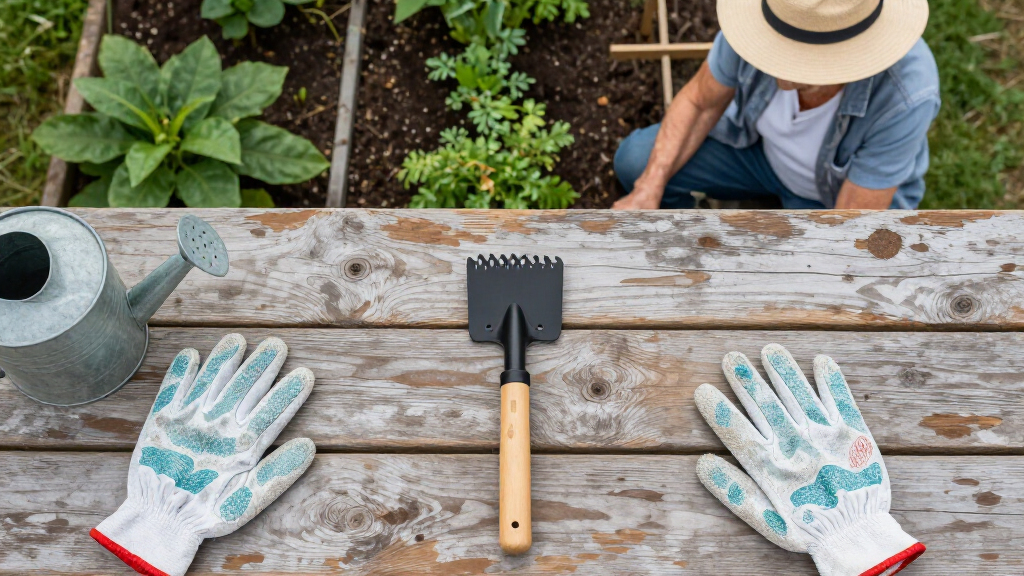
Manual tools designed for comfort and efficiency make weed pulling less of a workout. Think ergonomically shaped weed pullers, lightweight hoes, and small cultivators—tools that let you work with your body, not against it.
For example, a long-handled weed puller allows you to remove weeds without bending or kneeling. It’s like having a little helper that reduces strain and speeds up your work. Investing in these tools can turn a dreaded chore into a quick, manageable task.
The right tools can significantly reduce physical effort, but it’s important to choose those suited to your specific yard and your physical comfort. For instance, ergonomic handles reduce wrist strain, and lightweight materials lessen fatigue. The tradeoff is that while these tools can be more expensive initially, they often last longer and make regular maintenance less daunting, encouraging consistent weed control and preventing weeds from becoming overwhelming.
Here’s a quick list of tools that make weed control easier:
- Ergonomic weed pullers
- Lightweight hoes with curved blades
- Mini cultivators for tight spots
- Long-handled rakes
As an affiliate, we earn on qualifying purchases.
Natural Methods That Keep Weeds at Bay Without Heavy Lifting
Natural weed control methods can be surprisingly effective and gentle on your back. Vinegar solutions, boiling water, and manual pulling are all options that require minimal equipment and effort.
Imagine pouring steaming, vinegar-rich water directly onto a stubborn weed. The plant withers quickly, and you’ve avoided bending or pulling. This method is particularly effective for weeds growing in cracks or small beds where precision is key. The tradeoff is that vinegar and boiling water are non-selective—they can harm nearby desirable plants if not applied carefully, so precision and timing are crucial.
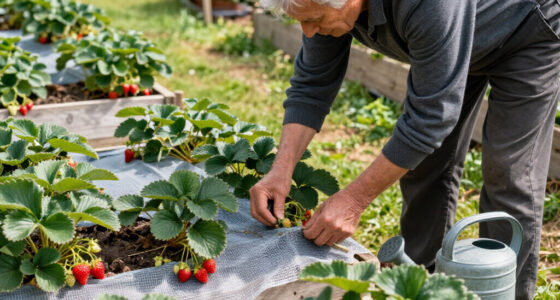
Mulching is another simple, natural way to suppress weeds. A thick layer of straw, wood chips, or shredded leaves blocks sunlight, preventing weed seeds from sprouting. Plus, it adds a cozy, country feel to your garden, making it look cared for and inviting.
Organic mulch, like straw or shredded bark, can reduce weed growth by over 80% when applied at 2-3 inches thick. While applying mulch is straightforward, it’s important to do so properly—covering all exposed soil and replenishing as needed—so that it remains effective. The benefit is a significant reduction in weed emergence, which means less manual removal and chemical use later, saving effort in the long run.
As an affiliate, we earn on qualifying purchases.
Timing Is Everything: When to Attack Weeds for Less Effort
The best time to control weeds is early—before they set seed or develop deep roots. Typically, late spring or early summer is ideal. Think of it like catching weeds while they’re still small, like tiny troublemakers that are easier to squash.
For example, pulling a weed just after it sprouts takes seconds, but waiting until it flowers can turn it into a stubborn root system. Applying vinegar or boiling water at this stage is quick and effective, but it’s more efficient to target weeds before they mature because mature weeds are often more resilient and require more effort to remove completely.
Remember, the goal is to prevent weeds from multiplying. Regular inspections and quick action—like pulling small weeds or spot-treating with vinegar—can stop their growth early. This proactive approach minimizes the physical effort needed later, as tackling weeds early prevents them from developing extensive root systems or seed banks, which are much harder to eradicate. Think of it as catching a small problem before it becomes a costly repair—less effort, better results.
As an affiliate, we earn on qualifying purchases.
A Quick Comparison: Manual, Natural, and Chemical Weed Control Methods
| Method | Ease of Use | Effectiveness | Effort Required | Best For |
|---|---|---|---|---|
| Manual Pulling | High (ergonomic tools help) | High for small weeds | Low to moderate | Small patches, early weeds |
| Natural (Vinegar, Boiling Water) | Very high | Moderate | Very low | Cracks, small beds |
| Chemical Herbicides | Moderate (follow instructions) | High | Moderate | Persistent weeds, large areas |
Choosing the right method depends on your yard size, weed type, and personal preference. Combining these approaches often yields the best results with the least effort.
It’s important to recognize that each method has its implications: manual removal is labor-intensive but chemical options may pose environmental or health considerations, while natural methods are safer but sometimes less immediate. Weighing these tradeoffs helps you make informed decisions aligned with your goals and physical capacity, ultimately leading to a more manageable, effective weed control routine.
When to Use Organic or Chemical Treatments — and When to Skip Them
Organic methods are safer and gentler but may require more patience because they often work more slowly and need consistent application. Chemical herbicides, on the other hand, can quickly eradicate persistent weeds but come with considerations regarding safety, environmental impact, and proper handling. According to Huckfarm, the key is to match your approach to the weed’s persistence and your comfort level.
If weeds are small and infrequent, manual pulling or vinegar might do the trick, offering a low-effort solution with minimal risk. For stubborn, deep-rooted weeds or large infestations, targeted herbicides applied during active growth phases can save time and physical effort—though they require careful application to avoid harming desirable plants or yourself. The tradeoff involves balancing speed and safety: natural methods are often slower but safer, whereas chemicals can provide rapid results at the expense of potential risks. Making this choice depends on your tolerance for chemicals, the severity of the weed problem, and your long-term landscape goals.
Always follow label instructions carefully to minimize effort and maximize safety. When in doubt, start with natural methods and only resort to chemicals for persistent invaders, weighing the tradeoffs between effort, safety, and effectiveness.
Frequently Asked Questions
What’s the easiest way to control weeds without heavy labor?
Mulching, targeted manual removal, and using eco-friendly herbicides are your best bets. These methods are effective and gentle on your back, turning yard work into a manageable task.
Are organic weed control methods reliable?
Yes, vinegar solutions, boiling water, and manual pulling work well for small or early weeds. They’re safe, inexpensive, and can keep your yard weed-free with minimal effort.
How can I stop weeds from coming back?
Maintain healthy soil and turf, regularly inspect your yard, and apply mulch where needed. Catching weeds early is the easiest way to prevent them from spreading again.
What tools should I keep handy for easy weed control?
Look for ergonomic weed pullers, lightweight hoes, and small cultivators. These tools reduce physical strain and speed up your weed battles.
Can robots or automated tools help with weed control?
Emerging robotic weeders show promise, especially for large areas, but they’re still becoming more accessible. For now, manual and natural methods remain the most practical for most yards.
Conclusion
Keeping weeds out of your yard doesn’t have to wear you down. With a little planning, the right tools, and timely action, you can keep your garden lush and tidy without breaking a sweat. It’s all about working smarter, not harder, and enjoying the peaceful country charm you’ve cultivated.
So grab that ergonomic tool, spread some mulch, and stay ahead of those weeds. Your future self will thank you for the effort you put in now—less work, more beauty, and a yard that’s a joy to tend.
Cold & flu season Picks
humidifiers
As an affiliate, we earn on qualifying purchases.