
TL;DR

Turn quiet afternoons into listening time
- Thousands of audiobooks, podcasts and originals
- Listen on your phone, tablet or Echo — also offline
- Cancel anytime
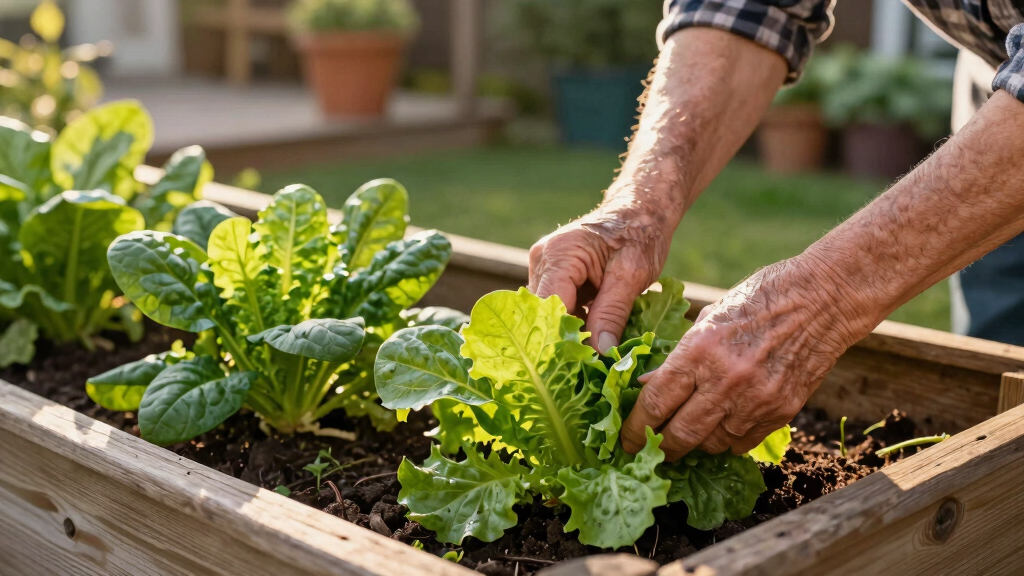
Growing salad greens year-round is possible with season extension, indoor gardening, and smart lighting. Even small spaces can yield fresh greens in every season—keeping your table vibrant and healthy.
Nothing beats the crisp, fresh taste of home-grown salad greens. Yet, as winter blankets the landscape in icy silence, many wonder if they can still enjoy that garden-fresh crunch.
The good news? With a few clever tricks, you can keep your greens thriving year-round—whether in a cozy greenhouse, a sunny windowsill, or a small indoor setup. This guide walks you through simple, practical steps to grow lush salad greens in any season, so your table stays colorful and nourishing no matter what Mother Nature throws your way.
Choose hardy, fast-growing greens like spinach and microgreens for quick, reliable harvests.
Use simple season extension tools—cold frames, hoop houses, or mini-greenhouses—to protect plants from frost.
Set up a small indoor garden with grow lights and a sunny spot—perfect for winter greens.
Maintain consistent watering and organic feeding to keep greens lush and tasty all year.
Keep pests at bay with natural barriers and organic controls—healthy plants grow best.
Pick the Right Greens for Every Season
Growing salad greens year-round starts with choosing the right varieties. Leaf lettuce, spinach, arugula, and microgreens are your best friends—they grow quickly, tolerate cooler temperatures, and flourish indoors or under protection.
For example, spinach can thrive in temperatures as low as 35°F if protected, making it perfect for winter. Microgreens, which sprout in just a week or two, give you rapid harvests and keep your greens supply steady.
Think of your greens as your seasonal partners—select varieties that suit your climate and your taste buds.
indoor LED grow lights for salad greens
As an affiliate, we earn on qualifying purchases.
As an affiliate, we earn on qualifying purchases.
Create a Mini Indoor Garden That Keeps Greens Happy
Indoor gardening is your best shot at consistent harvests. Set up a sunny windowsill or a dedicated space with grow lights. Even a small corner with a few containers can produce a bounty.
For instance, a sunny south-facing window can supply enough light for microgreens or small pots of lettuce. When natural light is scarce, affordable LED grow lights provide the full spectrum needed for healthy growth.
Imagine snipping fresh greens from your kitchen table, feeling that satisfying connection to your garden—no matter the weather outside.
cold frame mini greenhouse for vegetables
As an affiliate, we earn on qualifying purchases.
As an affiliate, we earn on qualifying purchases.
Use Season Extension Tricks to Keep Greens Growing
Season extension is the secret to growing salad greens outside in winter or during early spring. Cold frames, hoop houses, or mini-greenhouses act like cozy jackets for your plants.
For example, a simple cold frame made from recycled windows can protect your lettuces from frost, allowing you to harvest fresh greens even when outdoor temperatures drop below freezing. Mulching helps retain soil warmth and moisture—keeping roots warm and healthy, which is crucial because cold stress can slow growth or cause damage. These methods extend your gardening season but come with tradeoffs: they require additional setup and maintenance, and may not be suitable for every space or budget. However, the payoff is a longer harvest window and fresher greens during months when outdoor gardening would normally be impossible.
Think of these methods as giving your garden a warm sweater—allowing you to enjoy fresh greens well past their usual season.
window sill herb and salad green planter
As an affiliate, we earn on qualifying purchases.
As an affiliate, we earn on qualifying purchases.
Manage Light and Temperature for Consistent Growth
Salad greens love cool temperatures—between 45°F and 75°F—so controlling light and heat is key. During winter, supplement sunlight with grow lights to mimic the long summer days greens crave, which helps prevent legginess and bolting. In summer, providing shade during the hottest part of the day helps prevent stress and premature flowering, which can reduce leaf quality. For instance, a shade cloth or a porch awning can keep your greens from overheating and becoming bitter. Proper environmental control ensures that your greens develop optimal flavor and texture, and reduces the risk of disease caused by temperature fluctuations. Think of your garden as a cozy nursery—carefully balancing light and warmth to keep your greens lush, crisp, and ready for harvest any time of year.
As an affiliate, we earn on qualifying purchases.
Water and Feed Your Greens Without Overdoing It
Consistent moisture is vital—greens hate to dry out or sit in soggy soil. Water early in the day, giving them a gentle soak that keeps roots moist but not waterlogged. Overwatering can lead to root rot and fungal diseases, while underwatering causes stress and wilting. Use organic compost or liquid feed every few weeks to boost growth; this provides essential nutrients without chemical overload. For example, a splash of fish emulsion or compost tea can make your greens more vibrant and flavorful. The key is balance—too much fertilizer can cause lush but weak growth, making plants susceptible to pests and disease. Think of watering as giving your plants a refreshing drink—regular, gentle, and attentive—so they stay healthy and productive throughout the year.
Keep Pests and Diseases at Bay with Simple Precautions
Pests like aphids, slugs, and flea beetles can sneak into your garden—indoor or outdoor. Prevention is your best defense: keep tools clean, remove debris, and rotate crops. While pests are often more manageable outdoors due to natural predators, indoor environments require vigilance to prevent infestations. Using physical barriers like fine mesh or row covers can keep pests off your plants. Organic pest controls such as neem oil or insecticidal soap are safe options that minimize chemical use. Maintaining plant health through proper watering and nutrition also makes plants less attractive to pests. Imagine your greens as your cozy, pest-free sanctuary—blooming happily without chemical worries. The tradeoff is that some pest prevention methods require ongoing effort and monitoring, but the payoff is healthier, safer greens all year long.
Compare Growing Outdoors and Indoors — Which Fits You?
| Feature | Outdoor Growing | Indoor Growing |
|---|---|---|
| Season Extension | Cold frames, hoop houses, or greenhouses needed | |
| Light | Sunlight varies with season | |
| Space | Depends on yard size | |
| Pest Control | More pests, natural predators help | |
| Ease | Requires more setup and weather awareness | |
| Year-Round Ability | Possible with protection | |
| Indoor | Limited space, controlled environment | |
| Light | Supplemental grow lights essential | |
| Space | Small containers or shelves work | |
| Pest Control | Less pest pressure indoors |
Both methods have their charm. Outdoor setups offer natural sunlight and connection to nature, while indoor gardens give you control and convenience.
Conclusion
Growing fresh salad greens year-round isn’t just a dream. With a little planning—season extension, indoor setups, and smart care—you can enjoy a garden bounty no matter what the calendar says.
Think of your garden as your personal pantry of vibrant greens—ready whenever you want to toss a salad or garnish a plate. Now, grab your containers or set up that cold frame—your year-round garden awaits, full of life and flavor.
Halloween Picks
halloween
As an affiliate, we earn on qualifying purchases.