
TL;DR

Turn quiet afternoons into listening time
- Thousands of audiobooks, podcasts and originals
- Listen on your phone, tablet or Echo — also offline
- Cancel anytime
Ergonomic, lightweight, and assisted garden tools make gardening safer and more comfortable for people with arthritis. Recent innovations focus on reducing joint strain, helping you stay active and enjoy your garden longer.
Imagine the rich, earthy scent of soil, the gentle hum of bees, and the satisfying feel of sun-warmed leaves in your hands. Gardening is a beloved pastime, but for many older adults with arthritis, it can feel more like a test of endurance. That’s where the right tools make all the difference.
In this guide, you’ll discover how choosing a few carefully selected, gentle garden tools can transform your outdoor time. Whether you’re planting spring bulbs or pruning roses, the right equipment helps you stay safe, active, and comfortable. Let’s explore the simple ways to make your gardening joyful again.
Choose garden tools with ergonomic handles to reduce joint pressure and improve grip comfort.
Lightweight tools make gardening less tiring and help prevent joint aggravation.
Assisted tools, like spring-loaded pruners or battery-powered shovels, cut effort in half.
Simple modifications, like grip covers and handle replacements, can make existing tools more comfortable.
Practicing safe techniques and taking regular breaks prolongs your gardening enjoyment.
Gentler tools, longer days in the garden
TL;DR: Ergonomic, lightweight, and assisted garden tools can make gardening safer and more comfortable for people with arthritis. The goal is simple: reduce grip force, limit joint strain, and keep the joy of soil, leaves, and blooms within easy reach.
Recent survey data cited by Huckfarm suggests ergonomic tools may reduce joint pain by up to 30% for arthritic gardeners.
Arthritis affects approximately 23% of adults in the United States, including many who garden for activity and pleasure.
Think of the right handle as the difference between pinching a pencil and holding a thick, comfortable mug.
Choose padded, contoured, non-slip handles to spread pressure across the hand.
Light hand tools reduce wrist, elbow, shoulder, and back fatigue.
Spring-loaded and battery-assisted tools can cut effort for repetitive tasks.
Grip covers, new handles, padded gloves, and safer breaks adapt tools fast.
The comfort features that matter most
The kindest tools reduce the force your hands must create. Prioritize handles, weight, assisted mechanics, and adjustability before buying a specialty set.
Contoured handles
Soft, shaped handles fit the palm more naturally, reducing pressure on sore finger joints and wrists during digging, planting, and pruning.
Less lift, less fatigue
Aluminum, fiberglass, and well-balanced tools reduce the repeated strain that can aggravate arthritis across longer garden sessions.
Spring or battery help
Spring-loaded pruners reopen after each cut. Battery-powered trowels and small tillers loosen soil with less squeezing and twisting.
Telescoping reach
Adjustable handles help avoid overreaching, deep bending, and awkward wrist angles while tending beds, shrubs, and containers.
Grip covers and gloves
Silicone sleeves, gel grips, and padded gloves turn ordinary tools into gentler helpers with better traction and fewer pressure points.
Sturdy but not heavy
Quality matters: lightweight tools still need enough strength and stability to prevent slips, wobble, and unsafe extra effort.
Where each tool choice helps
Arthritic gardening usually becomes difficult through a few repeat stress points: squeeze force, tool weight, wrist angle, and session length.
Key insight
Comfort is not one feature. It is the combination of a larger grip, lower weight, assisted movement, and safer pacing. Together, these choices help gardeners stay active without turning a peaceful hobby into a test of endurance.
Best features for arthritic garden tools
Use this as a buying checklist or a quick audit of the tools already hanging in the shed.
| Feature | Why it matters | Examples | Arthritis fit |
|---|---|---|---|
| Handle shape | Minimizes joint strain and improves grip comfort. | Padded, contoured, silicone, or gel-filled grips. | ✓Best first upgrade |
| Lightweight construction | Reduces fatigue during longer gardening sessions. | Tools under 1 pound, aluminum shafts, fiberglass handles. | ✓Excellent for endurance |
| Assisted mechanism | Lowers effort for pruning, digging, and loosening soil. | Spring-loaded pruners, battery-powered trowels, small electric tillers. | ✓High relief, higher cost |
| Too-soft grip | May reduce control if cushioning is unstable or slippery. | Overly spongy sleeves or loose foam wraps. | ~Test before relying on it |
| Heavy steel tool | Requires more lifting and may aggravate wrists, elbows, and shoulders. | Traditional full-size shovel, heavy rake, long-handled hoe. | ✗Use sparingly or replace |
Adapt the tools you already own
A few inexpensive modifications can turn familiar tools into easier, steadier, more forgiving helpers.
Inspect grip
Look for thin, hard, cracked, or slippery handles that force a tight pinch.
Add covers
Slip on cushioned silicone or foam covers sized for garden handles.
Replace handles
For short or narrow handles, choose padded ergonomic replacements.
Wear padding
Use padded gloves to reduce pressure points and improve traction.
Test gently
Try the tool for a few minutes, then adjust before a full gardening session.
Protect joints while staying active longer
Even the best tool works better when paired with steady body mechanics, dry hands, and frequent pauses.
- 1Keep a wide stance. Distribute weight evenly to reduce pressure on knees and back.
- 2Avoid sudden twisting. Move your feet instead of forcing the wrist, elbow, or spine.
- 3Pause every 10 minutes. Short breaks can prevent fatigue from building into pain.
- 4Keep hands dry. Gloves and dry grips improve control with assisted and power tools.
- 5Stretch gently. Warm up before gardening and loosen hands, wrists, and shoulders afterward.
Comfort spectrum
Choose the tool closest to the green zone for the task: larger grip, lighter body, lower squeeze force, and stable control.
Example: a heavy steel shovel sits near high strain, a lightweight fiberglass shovel moves toward manageable, and an assisted digging tool with an ergonomic handle reaches the kindest end.
From tool choice to better garden days
The right equipment supports a simple chain of benefits: less force, steadier movement, safer pacing, and more time doing what you love.
Soft grip
Less pressure on fingers and palm.
Low weight
Less lifting strain over time.
Assist
Less squeeze force for repetitive work.
Reach
Less bending and overextension.
Breaks
Less inflammation after sessions.
Joy
More comfortable time outdoors.
Why ergonomic handles make gardening easier on your joints
Ergonomic handles are designed to fit naturally in your hand, reducing strain and pressure on painful joints. Instead of gripping a thin, hard handle, you get a soft, cushioned grip that feels more like a friendly handshake. Imagine a tool that molds to your hand, easing the effort needed to dig, prune, or plant.
For example, a gardener with arthritis found that switching to a shovel with a padded, contoured handle cut her digging time in half and eliminated the ache afterward. The secret is in the shape and softness of the handle — it’s like the difference between pinching a pencil and holding a thick, comfy mug.
Choosing ergonomic handles matters because they distribute pressure more evenly across your hand and wrist, reducing the risk of joint inflammation and fatigue. This means you can work longer without discomfort, which is crucial for maintaining your gardening routine and overall joint health. However, it’s important to note that overly soft or cushioned handles might sometimes reduce grip control, so finding a balance between comfort and control is key.
ergonomic garden tools for arthritis
As an affiliate, we earn on qualifying purchases.
As an affiliate, we earn on qualifying purchases.
Lightweight tools that won’t tire your hands or back
Lightweight tools are a game-changer because they directly address the fatigue that often accompanies long gardening sessions. When tools are heavy, they require more effort to lift, carry, and manipulate, which can quickly lead to joint strain and muscle fatigue, especially for those with arthritis. Using lighter tools lessens this burden, allowing you to work more efficiently and comfortably.
Imagine the difference between wielding a traditional steel shovel and a lightweight aluminum or fiberglass one. The lighter option reduces the physical stress on your joints, particularly in the wrists, elbows, and shoulders. Over time, this can help prevent the aggravation of arthritis symptoms and enable longer, more enjoyable gardening periods. That said, lighter tools sometimes sacrifice durability or stability, so selecting well-made, lightweight tools that are sturdy enough for your tasks ensures you don’t compromise on safety or effectiveness.
lightweight pruning shears for seniors
As an affiliate, we earn on qualifying purchases.
As an affiliate, we earn on qualifying purchases.
Assisted pruning and digging tools that cut effort in half
Assisted tools with spring-loaded or battery-powered mechanisms are designed to compensate for limited hand strength and reduce the physical effort required for common gardening tasks. These tools matter because they enable gardeners with arthritis to perform tasks they might otherwise find painful or impossible, thus maintaining independence and enjoyment of gardening.
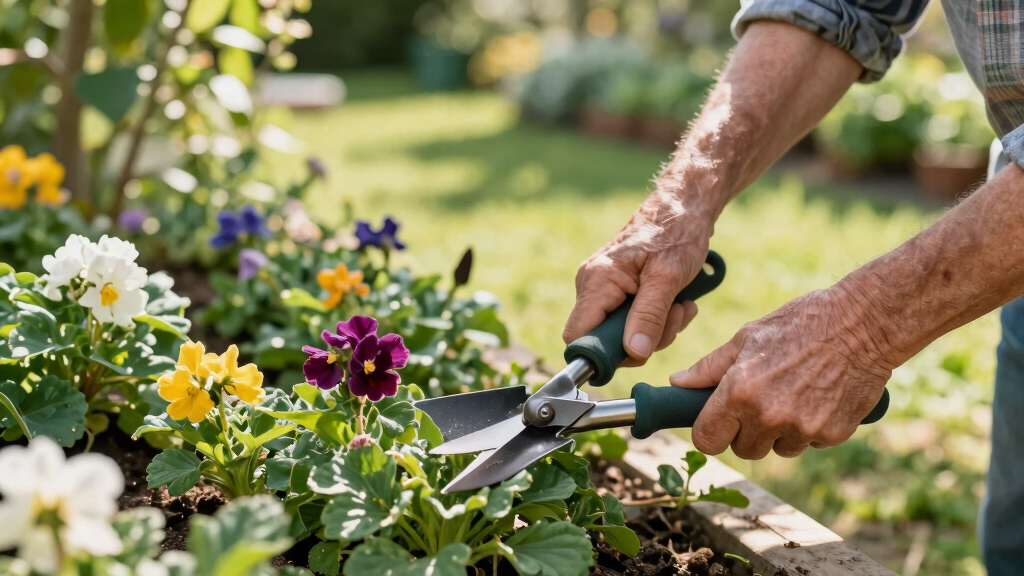
For instance, spring-loaded pruners open automatically after each cut, eliminating the need for squeezing tightly. Battery-powered shovels or trowels use motorized assistance to lift or loosen soil, reducing the force needed. The tradeoff is that these tools tend to be more expensive and require batteries or maintenance, but the payoff is significant in terms of ease and safety. They effectively act as an extension of your own strength, offering a level of support that can prevent joint overexertion and injury, especially during repetitive tasks or extended gardening sessions.
As an affiliate, we earn on qualifying purchases.
Comparison table: The best features for arthritic garden tools
| Feature | Why It Matters | Examples |
|---|---|---|
| Ergonomic Handles | Minimize joint strain and improve grip | Padded, contoured, silicone grips |
| Lightweight Construction | Reduce fatigue during long gardening sessions | Tools under 1 pound, aluminum or fiberglass shafts |
| Assisted Mechanisms | Lower effort for pruning and digging | Spring-loaded pruners, battery-powered shovels |
| Comfortable Handles | Prevent hand discomfort and blisters | Padded grips, gel-filled handles |
garden tools with ergonomic handles
As an affiliate, we earn on qualifying purchases.
As an affiliate, we earn on qualifying purchases.
How to adapt your current tools for better comfort
If you already own garden tools, don’t worry — small tweaks can make a big difference. Covering handles with soft grip covers, replacing worn-out handles with ergonomic ones, or adding padded gloves can turn an ordinary tool into a pain-free helper.
These modifications are valuable because they extend the usability of your existing tools and can be implemented quickly and affordably. For example, adding cushioned grips reduces the pressure points on your hands, which can prevent blisters and joint pain. Replacing handles with ergonomic variants improves leverage and reduces wrist strain, making tasks like digging or pruning less painful. Additionally, padded gloves provide extra cushioning and grip, decreasing the likelihood of slips and hand fatigue. The tradeoff is that some modifications might not fit all tools perfectly, so choosing adaptable options is recommended for versatility.
Here’s a quick step-by-step:
- Remove old handle grips if possible.
- Slip on cushioned or silicone covers designed for garden tools.
- For handles that are too short or thin, consider replacing them with ergonomic, padded handles.
- Wear padded gloves to improve grip and protect your hands.
Safety tips for using power tools with arthritis
Power tools can lighten your load — but safety comes first. When using battery-powered or assisted tools, always read the instructions carefully. Keep your hands dry and gloves on to maintain grip, and take frequent breaks.
For example, a gardener used a small electric tiller to loosen soil. She kept her hands steady and took pauses every 10 minutes, which prevented fatigue and kept her joints safe.
Remember, even assisted tools need respect — don’t overreach or force them beyond their capacity. Failing to follow safety precautions can lead to accidents or strain injuries, negating the benefits of these helpful devices. Proper technique and awareness are crucial for preventing mishaps and ensuring your gardening remains a safe, enjoyable activity.
Gardening tips to protect your joints and stay active longer
Besides choosing the right tools, your technique matters. Using proper body mechanics can significantly reduce joint stress and prevent injuries. For example, maintaining a wide stance distributes your weight more evenly, reducing pressure on your knees and back. Keeping your movements smooth and avoiding sudden twists or bends prevents joint strain and muscle pulls. Incorporating gentle stretching before and after gardening sessions enhances flexibility and circulation, which supports joint health. Taking regular breaks and doing simple hand or wrist stretches can prevent stiffness and fatigue, allowing you to garden longer without pain.
Imagine a gardener planting a row of tulips. She pauses after every few plants, gently stretches her fingers, and uses ergonomic tools. Her mindful approach not only preserves her joint health but also makes gardening more enjoyable and sustainable over time. These habits help you maintain an active lifestyle while minimizing discomfort, making gardening a lifelong pleasure rather than a painful chore.
Frequently Asked Questions
What are the best garden tools for someone with arthritis?
Look for tools with ergonomic handles, padded grips, and lightweight construction. Assisted pruners and battery-powered tools also help reduce effort and joint strain. Combining these features makes gardening safer and more enjoyable.
How can I make my existing garden tools more comfortable?
Wrap handles with soft grip covers, replace worn handles with ergonomic ones, or wear padded gloves. These small tweaks can significantly lessen discomfort and extend the life of your tools.
Are power tools safe and effective for arthritic gardeners?
Yes, when used correctly, battery-powered and assisted tools can lower the effort required. Always follow safety instructions, take breaks, and avoid overexertion to stay safe while gardening.
What tips do you have for gardening with arthritis?
Use ergonomic tools, take frequent breaks, maintain good posture, and adapt your techniques to avoid twisting or over-bending. These habits help keep your joints healthy and your gardening enjoyable.
Where can I find specialized gardening tools for arthritis?
Many garden centers, online stores, and brands focus on ergonomic design. Look for tools labeled for arthritis or ergonomic features, and choose options that feel comfortable in your hand.
Conclusion
Gardening should be a pleasure, not a pain. With a few thoughtful choices and small adjustments, you can keep your garden vibrant and your joints happy. Remember, the right tools aren’t just about convenience — they’re about respecting your body and cherishing your outdoor moments.
So gather your favorite gloves, pick up those ergonomic tools, and enjoy the gentle magic of tending your garden. Your hands — and your soul — will thank you for it.
Cold & flu season Picks
humidifiers
As an affiliate, we earn on qualifying purchases.