
TL;DR

Turn quiet afternoons into listening time
- Thousands of audiobooks, podcasts and originals
- Listen on your phone, tablet or Echo — also offline
- Cancel anytime
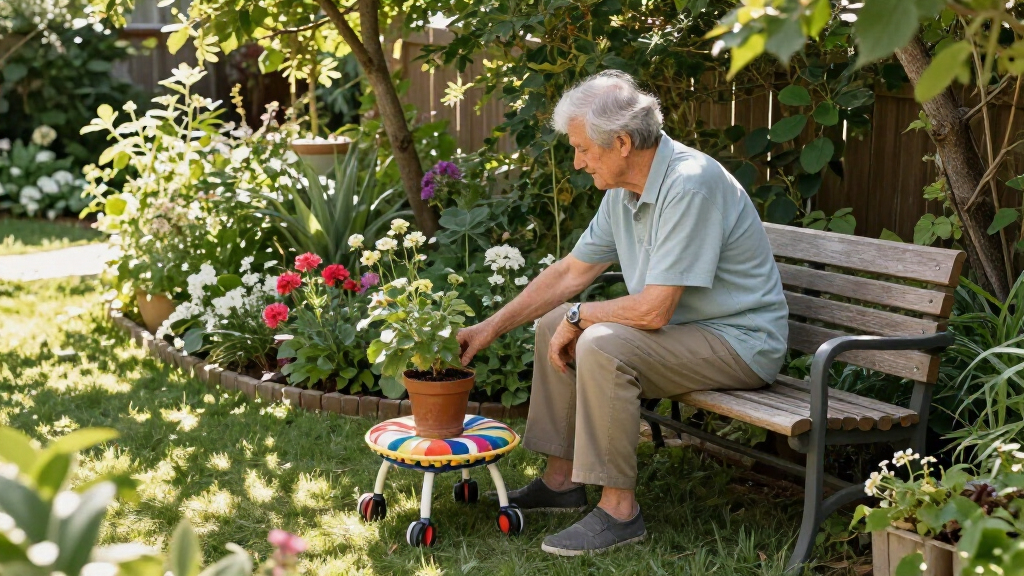
A comfortable garden stool with wheels reduces bending and strain, making gardening safer and more enjoyable for seniors. Focus on seat comfort, stability, terrain suitability, and safety features to find the best fit.
Imagine gardening without the constant bending, squatting, or risking a fall. A good garden stool with wheels turns that dream into reality. It’s a simple tool but one that can make a world of difference—especially for older adults who want to stay active and enjoy their outdoor space without pain or worry.
In this guide, you’ll learn how to choose the perfect rolling garden seat—something that’s comfortable, safe, and tailored to your garden’s terrain. Whether you’re planting, weeding, or harvesting, the right stool makes all the difference in turning gardening from a task into a pleasure.
Prioritize adjustable height and stability to match your body and terrain.
Large, wide tires improve movement over uneven or muddy ground but require more storage space.
Always lock wheels before sitting or standing to prevent accidents.
Weather-resistant materials like powder-coated steel or aluminum extend the stool’s outdoor life.
Choose features that support your comfort and safety, balancing needs with trade-offs like weight and maintenance.
Choosing a Comfortable Garden Stool with Wheels
A well-fitted rolling garden seat reduces bending, squatting, and repeated standing. The best choice keeps your feet grounded, your posture natural, and the stool stable on the surfaces you actually garden across.
Choose a height that keeps both feet flat and avoids a deep squat when sitting down.
Patios, soft soil, gravel, roots, and slopes require very different wheel designs.
Engage reliable brakes before sitting, standing, reaching, or turning on uneven ground.
Usually steadier than compact three-wheel designs.
Knees should sit roughly level with the seat.
Better clearance and a smoother ride over roots or gravel.
Prevent unexpected rolling during transfers.
Start with your body, not the feature list
Comfort depends on more than padding. Seat height, width, mounting effort, and freedom of movement determine whether the stool supports a natural posture or creates new strain.
Ground both feet
Sit with your feet flat and your knees roughly level with the seat. A dangling foot or deep knee bend reduces control and makes standing harder.
Best choice: simple, secure height adjustmentChoose width over softness
A wide, contoured seat distributes pressure more evenly. Padding helps, but it should resist weather, drain quickly, and wipe clean.
Best choice: broad seat with outdoor-grade paddingRotate without wobble
A swivel seat reduces spinal twisting when working on both sides. Test that rotation is smooth and that the seat attachment remains rigid.
Trade-off: more moving parts need more careTarget: feet firmly planted, knees near seat level, hips comfortable, and enough leverage to rise without pulling on an unsuitable tray or handle.
Let the ground choose the wheels
Wheel diameter, width, tread, steering, and tire construction affect effort and stability. The smoothest patio wheel may be the least useful option in soft soil.
| Wheel type | Best terrain | Ride | Maintenance | Main trade-off |
|---|---|---|---|---|
| Small plastic | Patios and paved paths | ✓ Easy on smooth ground | ✓ Very low | ✗ Catches on roots and gravel |
| Wide solid rubber | Firm soil and mixed paths | ~ Moderately firm | ✓ Low | ~ Adds width and bulk |
| Foam-filled | Uneven beds and gravel | ✓ Cushioned | ✓ No inflation | ~ Heavier than plastic |
| Pneumatic | Roots, ruts, gravel, rough soil | ✓ Smoothest | ✗ Pressure and puncture care | ~ More storage space |
Build a repeatable safety routine
Stability comes from both design and behavior. A low center of gravity, wide wheelbase, rigid frame, and reliable locks only work when used consistently.
Position
Park on the firmest, most level surface available.
Lock
Engage every brake before sitting or standing.
Test
Apply light pressure and confirm the stool stays still.
Move
Keep weight centered and avoid overreaching sideways.
Do not treat a tool tray, basket, or pull handle as a support unless the manufacturer specifically designed and rated it for that purpose.
Choose the format that fits your work
More features can improve comfort, but they can also increase weight, cost, storage needs, and maintenance. Prioritize the tasks you perform most often.
Basic rolling seat
Simple, compact, and useful for routine weeding on level paths.
Adjustable swivel stool
Supports varied working heights and reduces twisting during repetitive tasks.
Heavy-duty garden scoot
A broad frame, larger wheels, storage, and higher load rating suit rougher ground.
Protect comfort with simple maintenance
Frames often outlast bearings, fasteners, adjustment threads, and steering joints. Accessible parts and standard hardware make a stool easier to keep safe.
Inspect coatings
Touch up damaged powder coating before exposed steel begins to rust.
Check before use
Look for cracks, looseness, worn tread, punctures, and low tire pressure.
Keep motion smooth
Clean soil from bearings and lubricate metal joints when recommended.
Keep it sheltered
Store the stool dry and protected, especially through winter weather.
From garden conditions to safer gardening
How to Pick a Garden Stool with Wheels That Fits You Perfectly
The first step in choosing a garden stool with wheels is understanding what makes it comfortable and safe for your body. Think about your height, any joint issues, and how you move around the garden. The seat should support you without forcing awkward postures or causing discomfort.
For example, if you have knee pain, a stool with a height that allows you to sit with your feet flat and knees slightly bent is ideal. For those with back trouble, a seat with a backrest might help, though it can limit your movement around dense beds. The key is finding a balance between support and freedom of movement.
Start by measuring your ideal seat height. A good rule of thumb: your feet should rest flat on the ground, and your knees should be roughly level with the seat. Many models offer adjustable heights—this flexibility makes a big difference in comfort and usability.
Choosing the right ergonomic fit is crucial because it directly impacts your posture and reduces strain. An improperly fitted stool can force you into awkward positions, leading to discomfort or injury over time. By measuring and selecting a stool that aligns with your natural body position, you promote better circulation, reduce joint stress, and make gardening more enjoyable. The tradeoff, however, is that highly adjustable or specialized seats might be more expensive or heavier to handle, so consider your budget and mobility when choosing.
garden stool with wheels for seniors
As an affiliate, we earn on qualifying purchases.
As an affiliate, we earn on qualifying purchases.
The Wheel Types That Make Your Garden Easier to Navigate
Wheels are the backbone of a good garden stool. They determine how smoothly you can move across different surfaces. For smooth patios and level paths, small plastic wheels work fine. But if your garden has uneven ground, gravel, or roots, bigger, air-filled tires are a game changer.
Consider this: pneumatic tires provide a softer ride over rough terrain but require inflation and maintenance. Flat-free rubber tires need less fuss but may feel a bit firmer under your seat. Wide wheels distribute weight better on soft soil, preventing sinking. If you often work on slopes, look for models with reliable wheel locks to keep your stool from rolling away when you’re getting on or off.
Understanding these differences is vital because choosing the wrong wheel type can lead to instability or difficulty moving, which might cause fatigue or accidents. For example, a gardener with a hillside yard found that large, foam-filled tires made her work much safer and easier—no more slipping or sinking into muddy patches. The tradeoff is that larger wheels can add weight and bulk, making the stool harder to lift or store, so consider your physical strength and storage space when selecting.
adjustable height rolling garden seat
As an affiliate, we earn on qualifying purchases.
As an affiliate, we earn on qualifying purchases.
Stability and Safety: How to Keep Your Garden Moves Secure
Stability is everything. A garden stool should feel like an extension of your body—solid and steady. Look for a low center of gravity, a broad wheelbase, and a sturdy frame. These features prevent tipping, especially when reaching sideways or turning.
Beware of models with free-rolling wheels on slopes. If your stool has wheel locks or brakes, use them before sitting or standing. Never lean too far or stand on the seat—those can turn a helpful tool into a hazard.
One gardener, after a close call on uneven ground, realized that a stool with locking wheels and a wide base gave her the confidence to work safely without worry. This highlights why stability features aren’t just conveniences—they are essential safety components. A stable stool reduces the risk of falls, especially when reaching or shifting weight, and can prevent injuries caused by sudden slips or tipping. The tradeoff is that more stable designs might be bulkier or heavier, so balance stability with ease of movement based on your strength and the terrain you usually work on.
weather-resistant garden stool with lockable wheels
As an affiliate, we earn on qualifying purchases.
As an affiliate, we earn on qualifying purchases.
How to Choose a Stool That Supports Your Body and Garden Tasks
Think about what you do most: planting, weeding, harvesting? Your stool should adapt to these tasks. A wider, padded seat offers comfort for long hours, while adjustable height lets you work at a comfortable level—avoiding stooping or straining.
For example, a gardener who spends hours planting bulbs prefers a taller, padded stool with a swivel feature, so she can reach both sides without twisting her spine. Swivel seats can be incredibly useful, but if poorly designed, they may wobble or feel unstable, which can be risky. Always test for smooth rotation and secure locking mechanisms to ensure safety during use.
Use this quick checklist before buying:
- Feet flat on the ground
- Knees slightly above hips
- Easy to get on and off
- Stable during reaching and turning
- Controls operable with limited grip
Matching your stool to your body and tasks ensures less fatigue and more comfort, but it’s crucial to understand that a mismatch can lead to discomfort or injury. For instance, a seat that is too high may cause your legs to dangle, reducing stability, while one too low might force you into awkward bending. Prioritize adjustable features and test different models if possible to find the best fit.
large wheel garden stool for uneven terrain
As an affiliate, we earn on qualifying purchases.
As an affiliate, we earn on qualifying purchases.
Storage, Durability, and Weather Resistance: Things to Keep in Mind
Your garden is outdoors—your stool needs to stand up to sun, rain, and soil. Look for weather-resistant materials like powder-coated steel or aluminum. Plastic parts should be UV-stable to prevent cracking or fading.
For example, a gardener who leaves her stool outside year-round found that a powder-coated frame and sealed bearings kept it rust-free and smooth, even after harsh winters. The choice of materials directly impacts longevity, but also maintenance. A well-built stool with simple maintenance features—like replaceable wheels or lubricatable joints—can significantly extend its lifespan. It’s worth investing in quality to avoid frequent replacements, which can be costly and inconvenient.
Consider storage options—baskets or trays that keep tools handy without cluttering your feet or making the stool unstable. Proper storage can also protect your tools from weather damage, keeping your gardening space organized and safe.
Remember, the durability of your stool isn’t just about materials but also about how well you care for it. Regular cleaning, inspections, and timely repairs prevent deterioration and ensure safety over the years.
The Best Types of Garden Stools with Wheels for Different Garden Styles
Not all garden stools are created equal. Your choice depends on your garden’s terrain and your work style. Here’s a quick rundown:
| Type | Best For | Limitations |
|---|---|---|
| Basic rolling seat | Level paths, light weeding | Limited height adjustment, small storage |
| Adjustable swivel stool | Flexible work at different heights | More moving parts, maintenance |
| Heavy-duty garden scoot | Uneven terrain, larger users | Heavier, pricier |
| Seat-and-cart combination | Carrying tools, plants | Bulkier, less maneuverable in narrow beds |
| Garden kneeler with wheels | Close-to-ground tasks | Less suitable for prolonged sitting |
Matching the right type to your garden’s needs makes all the difference. Carefully consider your terrain, the tasks you perform most often, and your personal comfort preferences. A mismatch here can lead to inefficiency, fatigue, or even injury. For example, choosing a lightweight, narrow stool for uneven, rocky ground may cause instability, while a bulky, heavy-duty model might be cumbersome to move around tight spaces. The key is to balance stability, ease of movement, and task-specific features to optimize your gardening experience.
Safety First: How to Use Your Garden Stool Without Falling or Straining
Using your stool safely keeps gardening joyful. Always lock the wheels before sitting or standing. Avoid steep slopes or uneven patches—your stool isn’t a mountain climber.
When reaching for plants or tools, reposition the stool rather than leaning too far. Keep your hands clear of steering joints and wheels to avoid pinches or sudden moves.
Inspect regularly: loose fasteners, worn tires, or wobbling wheels can turn a safe tool into a hazard. Follow the manufacturer’s instructions for maintenance and assembly.
For example, a gardener with limited balance learned to double-check wheel locks and keep her tools within arm’s reach, reducing her risk of slips or falls. Remember, the goal is to maintain control and stability during every movement. Proper use and routine checks can prevent many common accidents associated with rolling stools, especially on uneven terrain. Being proactive about safety features and correct operation minimizes risks and enhances confidence, which is vital for long-term comfort and injury prevention.
Latest Trends and Features That Make Garden Stools Better Than Ever
Innovation is making garden stools more user-friendly and durable. Flat-free tires eliminate puncture worries, while 360-degree swivel seats add flexibility. Wider, tractor-style seats distribute weight more evenly, reducing pressure points.
Many models now include modular storage—removable baskets, cup holders, and tool trays—keeping everything handy without cluttering your workspace. Adjustable steering front axles and pull handles make moving through tight spaces effortless.
For example, a gardener upgraded to a model with corrosion-resistant aluminum frame and high-capacity locks, finding her work easier and safer, even after years of outdoor use. These advancements focus on enhancing comfort, safety, and convenience but often come with increased weight or complexity. It’s essential to evaluate whether these features align with your needs and physical capacity. Investing in quality and ease of maintenance ensures that these high-tech features deliver long-term benefits without becoming burdensome.
Balancing Features and Trade-offs When Buying Your Garden Stool
Every feature has a trade-off. Large wheels handle rough terrain but take up more storage space. A low seat puts you closer to your plants but can be harder to get on or off. Swivel seats ease reaching but might wobble if not well-made.
Steel frames are tough but heavy and prone to rust unless coated. Lighter aluminum costs more but resists corrosion. Soft padding feels good but can absorb moisture, reducing longevity.
Think about your priorities: Do you need maximum stability or easy mobility? Do you prefer comfort or lightweight ease? Weigh these choices against your garden’s terrain and your physical needs. For example, an older gardener with back pain chose a lightweight aluminum stool with wide, solid wheels, sacrificing some storage for better ease of movement and comfort. Recognizing these trade-offs helps you make an informed decision that aligns with your specific gardening habits and physical condition, ensuring you get a stool that balances safety, convenience, and longevity.
Your Questions Answered: Choosing and Using Your Garden Stool Wisely
Q: What seat height is most comfortable? The best height allows your feet to rest flat and knees to be slightly above hips. Adjustable models give you flexibility for different tasks and users, which is especially important as your body changes over time. Proper height reduces strain on your lower back and knees, preventing fatigue and discomfort during extended gardening sessions.
Q: Are rolling stools safe for bad knees or backs? They can reduce strain by minimizing bending and awkward postures, but they are not substitutes for medical devices or treatment. Prioritize stability and ease of getting on and off. Consulting with a healthcare provider can help you choose a model that complements your physical needs and reduces risk.
Q: Pneumatic or flat-free tires? Pneumatic tires provide a smoother ride over uneven terrain, which can lessen jarring and fatigue, but they require periodic inflation and maintenance. Flat-free tires are more convenient, resisting punctures and requiring less upkeep, but may feel stiffer and less cushioned, potentially increasing vibrations transmitted to your body. Your choice should consider your terrain, physical comfort, and willingness to perform maintenance.
Q: Will the wheels sink into soil? Larger, wider wheels distribute your weight more evenly, reducing sinking into soft or muddy ground. However, no stool can handle deep mud or very soft soil without risk of sinking or getting stuck, so always assess your garden’s soil conditions before choosing.
Q: Is a swivel seat worth it? Yes, if you often work on both sides of a bed or need to reach multiple plants comfortably. A good swivel seat rotates smoothly and locks securely, preventing accidental turns that could cause imbalance or falls. It saves you from repeatedly getting on and off, reducing joint strain and increasing efficiency.
Q: Should I get a four-wheel or three-wheel stool? Four wheels generally offer more support and stability, especially on uneven ground, but can be bulkier. Three-wheel stools are more maneuverable and easier to turn in tight spaces but may offer slightly less support. Your terrain, physical stability, and storage space will influence the best choice for you.
Q: Do I need brakes? Brakes or wheel locks are highly recommended on slopes or uneven surfaces. They prevent accidental movement when you’re seated or transitioning between tasks, significantly reducing fall risk and providing peace of mind. Always engage brakes before standing or leaning.
Q: How much weight capacity do I need? Select a model rated above your combined weight of user and tools. While a high maximum weight rating is reassuring, the real safety depends on the quality of the frame and how well the stool is maintained. Overloading beyond the rated capacity can lead to structural failure and accidents.
Q: Can I use it as a step stool? Only if explicitly rated for standing. Wheels and swivels make it unsafe for standing use, as stability is compromised. Using a dedicated step stool designed for standing is safer for such tasks.
Q: What’s the best material? Powder-coated steel offers durability and rust resistance, making it suitable for outdoor use. Aluminum is lighter and more resistant to corrosion but often costs more. Focus on build quality, weather resistance, and whether the material suits your climate and handling preferences.
Q: How wide should it be? Measure your garden paths, gates, and beds. It should be narrow enough to fit through typical openings but wide and stable enough to support your weight comfortably. Proper width ensures ease of movement without sacrificing stability.
Q: Can it stay outside? Weather-resistant models are designed for outdoor use, but prolonged exposure to harsh conditions can degrade even the best materials. Storing your stool under cover during extreme weather extends its lifespan and maintains safety features.
Q: How much assembly is needed? Many stools require attaching wheels, storage trays, or handles. Check if tools are included and if instructions are clear. After assembly, retighten fasteners periodically to ensure ongoing safety and stability.
Q: Is a rolling stool better than a kneeler? For many, yes. Rolling stools offer greater mobility and reduce strain on knees and back, especially if they are adjustable and stable. Kneelers place more load on the knees and can be less stable on uneven ground. Choose based on your physical needs and comfort preferences.
Q: What features matter most for older gardeners? Stability, adjustable height, easy steering, and secure brakes are paramount. These features directly influence safety and ease of use, outweighing aesthetic or decorative options. Prioritize comfort, support, and ease of maintenance to ensure long-term satisfaction.
Q: How long will it last? Proper maintenance, including regular inspections for rust, loose parts, and wobbling, extends the lifespan of your stool. Address issues early to prevent accidents and ensure ongoing safety. Investing in quality materials and construction also contributes to durability, making your gardening experience safer and more enjoyable over the years.
Frequently Asked Questions
How do I know what height is right for me?
Stand with your feet flat on the ground and your knees slightly above your hips. The seat should be at a height that allows you to sit comfortably without bending your back or straining your knees. Adjustable stools help find that perfect fit.
Are wheels always safe on slopes?
Wheels can move unexpectedly on slopes unless locked. Always engage wheel locks before sitting or standing, and avoid steep inclines. For uneven terrain, choose models with reliable brakes and a low center of gravity for added safety.
What’s better—pneumatic or flat-free tires?
Pneumatic tires ride more smoothly over rough ground but need inflation and maintenance. Flat-free tires are lower fuss but may feel firmer. Match your terrain and willingness to maintain your stool.
Can I leave my garden stool outside year-round?
Weather-resistant models last longer outdoors, especially if stored under cover during harsh weather. Regular cleaning and inspections prolong lifespan, but some materials may still degrade over time if left exposed.
What feature should I prioritize for safety?
Look for sturdy, stable frames with wheel locks or brakes, especially if you work on uneven or slopes. Ensuring the stool remains immobile during use drastically reduces the risk of falls or injuries.
Conclusion
Remember, a good garden stool with wheels isn’t just a tool—it’s a partner in your outdoor joy. Pick one that supports your body, fits your garden, and keeps you safe. Gardening should be relaxing, not risky.
So, measure carefully, weigh your needs, and pick a model that makes your time outside pleasant and pain-free. With the right stool, every garden visit feels a little more like coming home.
Fall Picks
fall essentials
As an affiliate, we earn on qualifying purchases.