TL;DR
Open a free Amazon Business account
Business pricing, bulk buying and tax-exempt orders.
Create a free accountAs an affiliate, we earn on qualifying purchases.
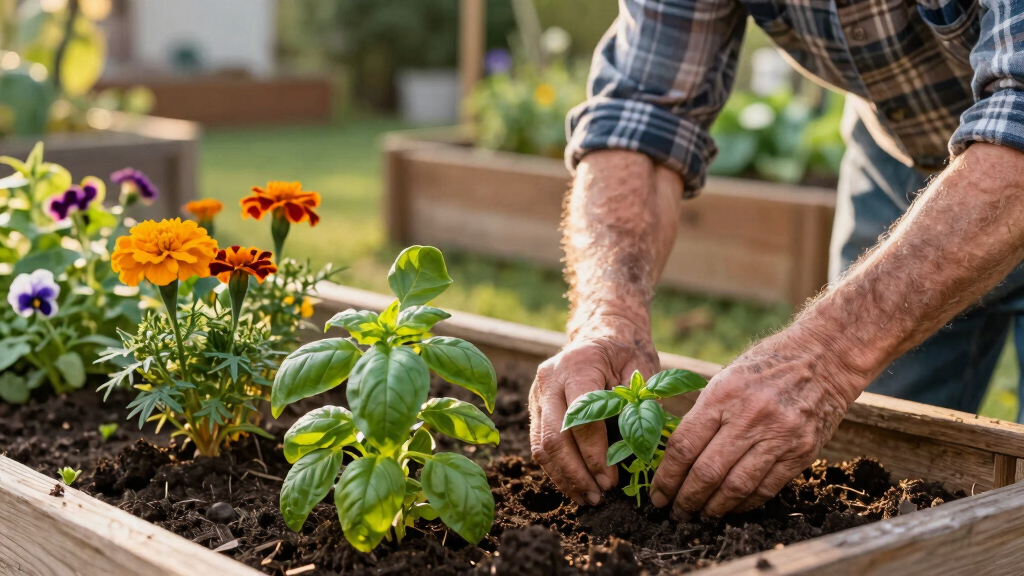
Companion planting involves placing plants together to enhance growth, repel pests, and boost yields naturally. It’s an ancient, science-backed method that fits perfectly into easy, joyful gardening for seniors. With a few simple pairings, you can create a garden that’s both beautiful and resilient.
Imagine a garden where pests stay away, plants thrive, and you spend less time fussing over weeds or chemicals. That’s the magic of companion planting. It’s an age-old trick that turns your garden into a balanced, natural system—simple, effective, and full of country charm.
In this guide, you’ll learn how to pair plants smartly, using nature’s own rules to keep your garden healthy and productive. Whether you’re working with a cozy backyard or a container on the porch, these tips will help you grow with ease and confidence.
Strategically pairing plants can naturally repel pests and boost growth, reducing the need for chemical inputs.
Marigolds, basil, and nasturtiums are easy, effective companions for many vegetables and flowers.
Proper planning and spacing are key—know what plants need and where they thrive.
Avoid incompatible pairs like fennel with most other plants or potatoes with tomatoes.
Even small gardens or containers benefit from companion planting, making it accessible for every gardener.
Companion Planting for an Easy, Healthy Garden
Place the right plants together and your garden begins to work as a natural system: pests are discouraged, useful insects arrive, soil improves, and harvests become easier to manage. It is an ancient idea with a practical modern payoff—more resilience with less fuss.
Potential reduction in pest populations from strategic plant combinations—helping decrease reliance on chemical controls.
Marigolds, basil, and nasturtiums are adaptable, beginner-friendly partners for many vegetable beds and containers.
Match sunlight and water needs, add a protective companion, then leave enough room for airflow and harvesting.
Five pairings that do useful work
Each combination has a built-in advantage: repelling a pest, sharing space, improving soil, or diverting unwanted insects from the crop you want to protect.
Tomatoes + Basil
Basil can deter flies and beetles around tomatoes while creating a convenient culinary pairing at harvest time.
Carrots + Onions
Onion scent helps confuse carrot flies, while carrot roots work through the soil at a different depth.
Beans + Corn
Corn offers vertical support; beans use that height efficiently and contribute nitrogen through biological fixation.
Marigolds + Vegetables
Marigolds add a protective flowering border, help manage some nematodes and pests, and support a more diverse garden habitat.
Cucumbers + Nasturtiums
Nasturtiums can draw aphids away from cucumber vines while filling bed edges with low-growing flowers.
Build the neighborhood before you plant
Planning is the quiet secret behind successful companion planting. Start with the conditions plants need, then add partnerships that make care simpler.
Map the space
Measure beds or containers and mark paths, edges, and reachable planting zones.
Read the light
Note full sun, partial shade, drainage, and areas that stay damp longer.
Choose favorites
Begin with vegetables you enjoy, then select companions that support them.
Group by need
Keep plants with similar water and sunlight requirements near one another.
Leave breathing room
Allow mature width, airflow, and comfortable access for watering and harvest.
Know the helpful pairs—and the no-go zones
Not every traditional pairing has the same level of evidence, so observe your garden closely. These high-value choices are a practical place to begin.
| Plant combination | Relationship | Why it matters | Garden action |
|---|---|---|---|
| Tomatoes + Basil | Pair | Pest-deterring aroma and a convenient shared harvest area. | Plant basil nearby without crowding tomato stems. |
| Beans + Corn | Pair | Vertical support and complementary soil benefits. | Sow beans after corn is established enough to support vines. |
| Fennel + Most Crops | Separate | Fennel may inhibit nearby growth through allelopathic effects. | Give fennel its own pot or isolated garden position. |
| Cabbage + Strawberries | Separate | Shared pest pressure can allow slugs and aphids to spread. | Place in different beds and monitor both crops regularly. |
| Tomatoes + Potatoes | Separate | Both are vulnerable to blight, increasing disease-transfer risk. | Keep apart and rotate each crop to a new area next season. |
A first line of defense—not a magic shield
Companion planting can reduce pest pressure substantially, but it works best inside a broader system. Combine plant partnerships with healthy soil, crop rotation, airflow, routine observation, and garden hygiene. For persistent infestations, add manual removal or carefully chosen organic controls.
From smart pairing to an easier harvest
The real benefit is cumulative: each sensible choice supports the next, creating a more balanced garden that asks for fewer emergency interventions.
Pair plants strategically to discourage pests and support growth.
Start simply with basil, marigolds, or nasturtiums.
Match water, sunlight, mature size, and planting time.
Isolate fennel and separate crops that share serious diseases.
Use the same principles in raised beds, pots, and balcony gardens.
What Is Companion Planting & Why Does It Work?
Companion planting is the art of placing certain plants together to help each other grow better. Think of it as a friendly neighborhood—plants that thrive when they’re close, and keep pests or diseases at bay. It’s based on simple principles: some plants repel pests, others attract beneficial insects, and some even improve soil health.
For example, marigolds are like natural pest guards—repelling nematodes and aphids—while beans fix nitrogen in the soil, helping nearby vegetables grow stronger. Many gardeners have used these tricks for generations, long before science caught up with the idea.
Understanding why certain plants work well together helps you create a more resilient garden. It means you can reduce reliance on chemicals, promote biodiversity, and foster a healthier environment for your plants. This natural approach often results in a more vibrant, productive garden with less effort and fewer resources.
As an affiliate, we earn on qualifying purchases.
5 Easy Plant Pairings That Keep Pests Away & Boost Growth
Here are five foolproof combinations that make garden chores easier and plants happier:
- Tomatoes and Basil: Basil not only improves tomato flavor but also deters flies and beetles. This pairing enhances flavor and reduces pest problems, meaning fewer interventions and healthier produce.
- Carrots and Onions: Onions repel carrot flies, which can devastate carrots, while carrots help loosen soil for onions to grow deep. This natural pest control saves you time and reduces the need for chemical sprays, fostering a healthier root system for both.
- Beans and Corn: Beans climb corn stalks, saving space, and they fix nitrogen, feeding the soil naturally. This symbiotic relationship boosts overall plant health and reduces fertilizer needs, making your garden more sustainable.
- Marigolds with Many Veggies: These bright flowers scatter pest-repelling oils that protect your entire bed. Their presence can lower pest populations across multiple crops, decreasing chemical use and encouraging beneficial insects.
- Cucumbers and Nasturtiums: Nasturtiums attract aphids away from cucumbers and add a splash of color. By diverting pests, they help keep your cucumbers healthy and productive, reducing the chance of infestations spreading to other plants.
Notice how each pairing has a built-in benefit? That’s companion planting in action—working with nature, not against it. Understanding these interactions allows you to design a garden that is more resistant to pests, requires fewer chemicals, and thrives naturally.
As an affiliate, we earn on qualifying purchases.
How to Plan Your Garden for Perfect Plant Partners
Planning is your secret weapon. Start by sketching your garden space, noting sun, shade, and drainage. Then, pick your favorite vegetables and flowers. Use the following steps:
- Map out your space: Measure beds or containers.
- Select your plants: Choose ones that grow well together, considering their growth habits and needs.
- Group by needs: Keep plants with similar water and sunlight needs close, which simplifies watering and care routines.
- Mix and match: Place pest-repellent plants near vulnerable veggies to maximize natural protection.
- Leave room for growth: Keep enough space for air circulation and easy harvesting, helping prevent disease and making maintenance easier.
Careful planning ensures your garden is a thriving ecosystem. When you group compatible plants thoughtfully, you create a microenvironment that supports healthy growth, reduces pest problems, and simplifies maintenance. This strategic placement allows you to enjoy a garden that’s both productive and low-stress, with fewer interventions needed to keep everything healthy.
As an affiliate, we earn on qualifying purchases.
What Plants Should You Avoid Pairing? Watch Out for These No-Nos
Some plants just don’t get along. They compete for nutrients or attract the same pests, making your garden less healthy. Here are a few pairs to steer clear of, along with why:
- Fennel and Almost Everything: Fennel’s allelopathic properties release chemicals that can inhibit the growth of many other plants, potentially stunting your garden’s overall productivity. Planting fennel near other vegetables can result in poor growth or even failure of those plants, which means you lose out on harvests and waste space and effort. It’s best to keep fennel isolated to prevent these negative effects.
- Cabbage and Strawberries: Strawberries attract pests like slugs and aphids that also target cabbages. Planting them together can lead to pest infestations spreading among your crops, increasing the need for pest control measures. This can create a cycle of pest problems that’s hard to break, reducing overall yield and health of your garden.
- Tomatoes and Potatoes: Both are susceptible to blight, a disease that can spread rapidly and wipe out entire crops. Planting them nearby increases the risk of infection because the disease can easily transfer through soil or airborne spores. Keeping them apart not only protects your investment but also helps maintain a healthy, disease-free garden environment, preventing potential crop failures.
Knowing these no-go zones helps you avoid unintentional harm. By understanding why certain plants conflict, you can design a garden that promotes mutual growth and reduces problems. This foresight leads to a more resilient garden, saving you time, effort, and resources in the long run.
As an affiliate, we earn on qualifying purchases.
Can Companion Planting Replace Pesticides? Here’s the Truth
Companion planting can significantly reduce pests, but it’s not a magic shield. It’s best seen as part of a holistic approach—integrating healthy soil, crop rotation, and good garden hygiene. Scientific studies show that strategic plant pairings can cut pest populations by nearly half, which is a substantial reduction and can lessen your reliance on chemical controls.
For example, planting marigolds near tomatoes naturally deters many pests, creating a protective barrier. However, in cases of serious or persistent infestations, relying solely on companion planting might not be enough. Combining it with organic pesticides or manual removal ensures a comprehensive defense.
Think of companion planting as your first line of defense—supporting a resilient, pest-resistant garden. It helps create a balanced environment where beneficial insects thrive and pests are kept in check, but it’s part of an overall integrated pest management strategy rather than a complete solution. Understanding its limits allows you to use it effectively, maximizing benefits while knowing when additional measures are necessary to protect your plants.
Small Gardens & Containers? No Problem—Companion Planting Works Here Too!
You bet. Even in a tiny balcony or a windowsill garden, companion planting can make a big difference. Use small pots or raised beds to group plants with compatible needs. For example, a pot with cherry tomatoes and basil can attract pollinators and repel bugs, all in one container.
In fact, compact arrangements with flowers like nasturtiums or marigolds can turn a small space into a natural pest barrier. The key is selecting plants that grow well in limited space and observing how they naturally support each other’s growth and health. This approach maximizes your space and creates a mini-ecosystem that’s both productive and low-maintenance. By thoughtfully choosing and positioning your plants, you can enjoy a thriving garden even in small spaces, with fewer worries about pests or overgrown plants.
The Science Behind It: Does Companion Planting Really Work?
Research from agricultural science confirms that companion planting can improve yields and reduce pests. Studies show that certain plant combinations can cut pest damage by nearly 50% and enhance overall plant health. These benefits stem from natural interactions—such as pests being repelled by certain plants or soil nutrients being improved through plant diversity.
For example, planting beans with corn isn’t just tradition; it’s backed by science. Beans fix nitrogen in the soil, which benefits the corn, reducing the need for synthetic fertilizers. This interdependence creates a sustainable, resilient system that has been refined over centuries, demonstrating the power of working with nature rather than against it. Scientific research continues to validate these natural relationships, showing that thoughtful plant pairings can lead to healthier, more productive gardens that are less dependent on chemicals and more in tune with ecological balance.
Your Quick Guide to Starting with Companion Planting
Ready to give it a try? Here’s a simple plan:
- Select your main crops: Think tomatoes, carrots, or beans.
- Add friendly neighbors: Basil, marigolds, or nasturtiums.
- Arrange thoughtfully: Keep pest-repelling plants close to vulnerable veggies, considering their growth habits and space needs.
- Keep notes: Track what works best for your garden and adjust as needed.
Start small—maybe a single bed or a few containers—and expand as you learn what your garden responds to best. With a little planning and observation, you’ll be able to create a thriving, pest-resistant garden that rewards your efforts with healthy, abundant plants.
Frequently Asked Questions
How do I choose the best companion plants for my vegetable garden?
Begin by selecting vegetables you love to grow. Then, add flowers like marigolds or basil that naturally repel pests and improve flavor. Check simple pairing lists and observe what plants thrive together in your climate. Start small and expand as you learn what works best in your garden.Can I plant different vegetables next to each other without problems?
Yes, but it’s best to choose compatible pairs. For example, tomatoes grow well with basil, while carrots and onions repel each other’s pests. Avoid planting crops that compete for the same nutrients or attract the same pests, like potatoes and tomatoes, in close proximity.Will companion planting eliminate all pests?
Not entirely. It significantly reduces pest numbers and helps create a resilient garden environment. However, occasional pests may still appear, and manual removal or organic controls might be needed. Think of it as a helpful partner—supporting your efforts, not replacing them.How much space do I need for effective companion planting?
Space needs vary, but generally, keep enough room for air circulation and growth. Even in containers, grouping compatible plants close together helps. For larger beds, allow a few inches between plants to prevent competition and encourage natural pest deterrence.Can I use companion planting in a small or container garden?
Absolutely. Choose compact, fast-growing plants like basil with cherry tomatoes or marigolds with peppers. Use small pots or raised beds to create mini ecosystems that support each other, making your small space lively and productive.Conclusion
Imagine your garden as a cozy community—each plant playing its part, supporting neighbors, and warding off trouble. That’s the beauty of companion planting. It’s simple, natural, and turns gardening into a rewarding, country-style dance of harmony.
Start with a few smart pairings, keep an eye on what works, and enjoy the lush, healthy garden you’ve created. After all, nature’s best work often happens when plants help each other thrive.
NFL season / tailgating Picks
team gear
As an affiliate, we earn on qualifying purchases.